
Founders Directory
Every founder profile on AIR, A–Z — roles, companies, and where they sit in the stack. For the curated shortlist, see AI Founders to Watch. View the Index.
198 founders

Achchak is building Qevlar so security teams stop burning out on alert queues and start learning from every incident they close.

Agarwal built Portkey as a control plane so production LLM apps can route, govern spend, and observe traffic across providers.

Agrawal wants SaaS teams to ship in-product tours and nudges like a product surface, so features stop dying unread in release notes.

Allred built Lavender so outbound email can sound like one careful person writing to another, scored for clarity before it sends.

M13's managing partner is steering the firm into identity for AI agents, starting with the Baselayer Series A.

Aroomoogan is trying to put a firewall in front of what AI says, so regulated firms stop learning about violations after the message already sent.

Bailyn is on the cutting edge of AI Search, having evolved his specialty from SEO to GEO to Agentic Search Optimization over a 23 year career.

Bakouk is building Sifflet so data engineers and the people who use their dashboards see the same alert, lineage, and context when a number breaks.

Balaban has spent more than a decade turning deep-learning workstations into a full AI cloud for teams that want GPUs without hyperscaler lock-in.

Barnard built Kalicube to help brands teach Google and AI systems who they are so those systems describe and recommend them correctly.
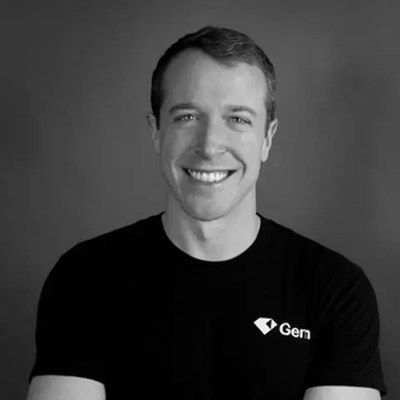
Bartel is trying to make outbound recruiting CRM and AI sourcing a first-class system so talent teams stop hunting candidates in spreadsheets.

Bayomi built Openlayer so AI evals feel as clear a developer workflow as shipping a web app.

Belcher is building mabl around an AI testing agent that learns each application over time, so quality checks can keep pace with faster software releases.

Bernhardsson built Modal so developers can run GPU jobs in the cloud without first becoming infrastructure specialists.
Bhagwat is trying to make TypeScript the default place developers ship agents, with the same docs seriousness the Gatsby team brought to the web.
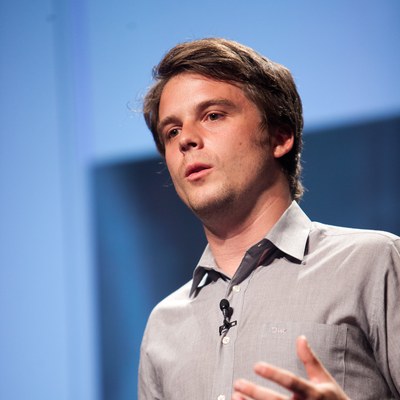
Biewald keeps building tools that make machine-learning experiment tracking and collaboration a shared habit on ML teams.

Bijapur built SpotDraft so contract work can feel as automated as the rest of modern software for legal and ops teams.

Block built Stilta to give patent litigators agent swarms that search prior art at machine scale while every claim still cites a source.

Braun is building Noma so security teams can see the data pipelines, models, and AI agents that data science teams ship outside the usual software checks.

Callaway built Sazabi so production teams can get answers from logs alone, with an AI agent that investigates instead of another dashboard wall.

Carollo keeps rebuilding Dover around how startups hire - first as recruiting ops software, now as a marketplace for fractional recruiters with a free ATS.
Chandrayana is trying to turn infrastructure change itself into something an agent can score and gate before an outage lands.

Chase built LangChain so building software with language models feels as ordinary as building with any other library.

Cherkasov wants agents to inherit a company knowledge graph so ops teams can route work between people and AI without rebuilding context every time.

Chou built Ploy so a company website can behave like a growth employee that keeps shipping pages, campaigns, and fixes while the team sleeps.

Choudhury turned stalled SOC 2 sales calls into Scrut, a mid-market compliance automation platform that collects evidence across many frameworks at once.

Chun built FriendliAI as an inference runtime that makes serving models cheaper and faster without selling a GPU cloud.

A former Symantec and Blue Coat CEO, he now steers Crosspoint's cyber thesis into AI-native security companies such as MIND.

Coe is trying to make sensitive production data safe for developers to use, so engineering teams can build and test software without waiting on access to the real thing.

Crossa wants teams shipping complex agents to build LLM judges that improve from production mistakes instead of freezing brittle offline evals.

Dandamuraju wants production agents to get seconds-lived, least-privilege credentials with parameter-level checks instead of long-lived root keys.

Davidson is pushing customer success software toward flexible workspaces built on customer data, with AI suggesting the next step while people keep the relationship.

Dearsley built Vapi so voice-agent builders can assemble telephony, models, and monitoring as one platform.

Dhar is turning Uber-scale service sprawl into Cortex, an internal developer portal where ownership, scorecards, and delivery standards finally live in one place.

Dhinakaran built Arize so teams can see what their models do wrong after launch, not only in pre-production evals.

Dholakia built LiteLLM so teams can call every language model through one OpenAI-compatible interface.

Ding wants B2B teams to ship customer integrations through one unified API instead of burning engineers on each vendor connector.

Douetteau has spent a decade pushing the idea that enterprise AI should be a collaborative platform, not a pile of notebooks only data scientists can run.

Dral built Evidently AI so ML monitoring stays open, practical, and usable by working data scientists.

Einy is building Port so engineering orgs get a governed service catalog and self-service portal - the control plane AI coding agents need as much as humans do.

Elias is trying to make data answers checkable again, by wrapping weaker local models in a harness that refuses bad math.

Elsaid is testing whether an AI support company can win enterprise customers on its own revenue, with a small team and no outside investors.

Enam helped start Cresta to put real-time AI coaching beside contact-center agents, not only replace them with bots.

Fateev built Temporal so long business processes in software survive crashes and retries the way a careful person picks up where they left off.

Fetter rebuilt executive search as matchmaking for digital leaders, including Indigo, her invite-only C-suite network.

Fichet is building AI recruiting software from Bangkok so agencies and HR teams can match and move candidates without enterprise ATS bloat.

Firshman built Replicate so open-source machine learning models are as easy to run as ordinary software containers.

Fox built AssemblyAI as a living speech-to-text and audio-understanding platform that keeps improving instead of freezing as a fixed model.

Friedman argues AI coding tools should prove code integrity with tests, reviews, and agents that catch real defects.

Gade wants every company running AI in production to be able to answer the question his Facebook team struggled with: why did the model do that?

Galis turned the audit pile he saw at EY into Scytale, so startups can run security compliance as ongoing software instead of a quarterly fire drill.

Gill built CodeRabbit to keep code review useful when AI helps developers write far more code than before.

Glasgow built Sprig so in-product surveys and AI research agents give PMs answers while the feature is still shipping.

Goyal is building the evaluation and observability layer AI product teams use to catch regressions before users do.

Granet built Bland AI so phone outreach and support can scale like software when AI agents handle the calls.

Grasso built Beautiful.ai so presentation software designs itself around the content people bring.

Grinberg left a string theory PhD to build Droids, coding agents aimed at the migrations and old codebases enterprise engineers dread.

Guduguntla wants sales reps to practice every hard call against an AI buyer first, so the real conversation is not their first try.

Gupta built Greptile so code review can see the whole codebase — including files that never changed in the pull request.

Haber built Lakera to treat prompt injection and model abuse as security problems with productized defenses, not one-off filters.

Habib built Writer so large companies can draft with AI without giving up brand voice or internal policies.

Handy turned an analytics-consultancy workflow into dbt, the default way many teams transform warehouse data as code.

Hansen is pushing multimodal AI teams to treat data curation and annotation as core infrastructure, not a spreadsheet side job.

Ul Haq is betting that developers learn fastest by writing code inside the lesson itself, and that machines will soon tailor that practice to each learner.
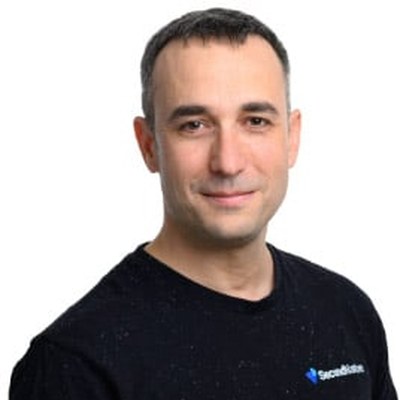
Hitron is trying to close the gap between the pitch marketing writes and what reps say on calls, by making practice with an AI partner a habit.

Holdstock-Brown built Inngest so product engineers can ship reliable AI workflows as ordinary code, without babysitting queues.

Huang built Clearscope so content teams can score and improve pages against what search engines already reward, without SEO folklore.

Hubert argues companies should run AI agents on their own private data and tools, under their own access rules.

Hum is turning feedback boards into AI that reads sales and support conversations so product teams stop missing what customers already said.

Humphrey wants every product team to treat customer feedback as a searchable warehouse, not a pile of interviews nobody reopens.

Intrator turned a crypto-era GPU fleet into a purpose-built AI cloud that now sits under many of the largest training and inference workloads.

Ip created DeepEval as open-source LLM evaluation, then built Confident AI so teams can run those metrics collaboratively before and after they ship agents.

He built Radical as an AI-only firm in Toronto and was an early backer of Fei-Fei Li's World Labs.

Kannappan is building evaluation and guardrail tooling so teams can catch LLM failures before customers do.

Kim is building open-source observability for agents that run for tens of minutes, so teams can find the bad decision and rerun from that step instead of starting over.

Kircos is rebuilding the spreadsheet so analysts can write Python, SQL, and AI-generated code in the same grid their colleagues already know how to read.

Kirwan turned Uber-scale experimentation pain into Bigeye, a data observability and AI trust platform for enterprises that cannot afford silent pipeline failures.

Kliger is building Zenity to secure the AI agents and low-code apps that business users now build for themselves, outside any developer pipeline.

Kothadiya built Avoma so meeting value spans prep, the call itself, and the follow-up that comes after.

Kulkarni built HyperStart so mid-market legal teams can get AI contract work without enterprise bloat.

Kumar is trying to give a two-person business the operating leverage of a much larger team, from first site to paying customers.

Kumaraswamy wants production agent teams to see silent reasoning failures across every customer conversation, then ship and prove the fix.

Laban is building OpsLevel so engineering orgs can see every service they run, who owns it, and whether it meets their standards, as coding agents ship more code than people can track.

Lam has spent three decades betting that engineering teams in Vietnam can build software products sold worldwide, and Katalon is his biggest test of that idea.

Lee is using LLMs to put bookkeeping context on autopilot for startups and accounting firms that still close the month in spreadsheet hell.

Lee built Shortwave so AI can live inside the open inbox people already use, instead of a closed replacement mail client.

Lee is building one AI platform for the whole patent lifecycle, after a decade in venture watching IP attorneys stitch together disconnected tools.

Li built Respan so teams shipping AI agents can see why those agents fail in production and fix behavior before users feel it.
Li is trying to give enterprise agents a place to practice on Salesforce-class systems without risking a customer org.
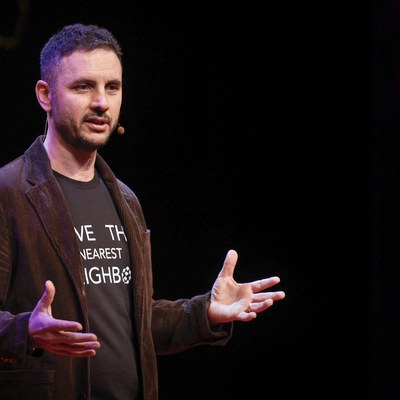
Liberty built Pinecone so long-term memory for AI is infrastructure product teams can buy, not rebuild as research.

Liu built LlamaIndex so language models can answer questions from a company's own private files, not only the public web.

Lowin builds orchestration for data and AI workflows that fail in production when someone's cron job silently stops.

Lu built RunPod so builders can get on-demand GPUs without first learning hyperscaler complexity.

van Luijt built Weaviate so search over meaning stays open infrastructure teams can run themselves.

Mabey wants business teams to handle routine contracts themselves, with AI agents following rules the legal team sets, so lawyers can spend their time on judgment.
Mai is trying to make humanoid hardware feel more like Android: modular bodies developers can ship, while others compete on the brain.

Martens built Tally so beautiful forms stay free and simple enough that teams stop paying Typeform rents for basic intake.

Masschelein is building Soda to catch bad data where it is produced, with checks and data contracts written by the engineers who own the pipelines.

McCabe pushed Intercom's Fin agent to the center of the company so customer experience can be won by AI that resolves work end to end.

McCardel wants data scientists and analysts to share one collaborative workspace instead of scattering work across notebooks and slides.

McNicoll wants every release to answer a question against your own warehouse data, not a vendor's black-box metrics.

McPherson is trying to make online forms feel designed and productized so teams stop shipping ugly surveys that still need a second tool for payments.
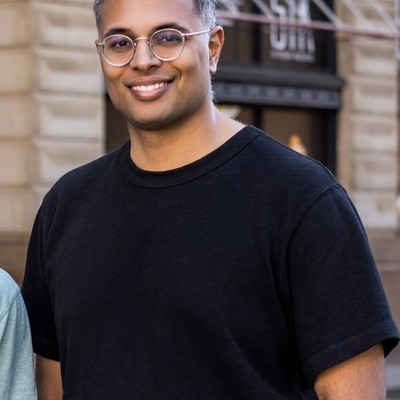
Mehmood is trying to give coding agents a real cloud home that is isolated, multi-model, and checked, so teams stop bolting them onto one lab's IDE.

An Elevation AI partner who looks for enterprise agents with paying customers, as he did when he led Dextr's first institutional round.

Mehta wants a small startup to earn the security certifications big customers demand in weeks, without hiring a compliance team first.

Mendels built Comet so ML and LLM teams get experiment tracking and evals in one place.
Motwani is trying to bring the session-taste intelligence behind music recommendations into stores where most shoppers never log in.

Moura built CrewAI so AI work can run as teams of agents with clear roles, not one giant agent acting alone.

Mrkšić builds voice agents that can handle messy, multi-intent phone conversations for real customer-service teams.

Murchison built Ada so support ends when the person's question is answered, not when a ticket is filed.

Nelson built Tribe AI so companies can become AI-native by borrowing elite builders instead of standing up a full-time lab first.

Nicholas started Forethought to make customer support feel invisible — AI that resolves work in the background so agents handle what matters.

Nucci wants company knowledge to find people in the tools they already use, instead of dying in a wiki nobody opens.

Oberhauser built n8n so anyone can wire tools and AI steps into open workflows they host and change themselves.

Østhus is trying to make FeatureOps the control plane for AI-era releases so teams can ship and kill changes without redeploying.

Parsonson is building AI tools made for patent attorneys, betting that patent work needs software that understands both the technology and the law.
Pawar is trying to make warehouse robots and human crews share one work brain, so mixed floors stop running as disconnected fleets.

Peffer built Firecrawl so AI apps can pull clean web data on demand, ready for language models to use.

Pelaseyed built Superagent so teams can own an open agent stack end to end.

Peterson wants engineers to treat cloud cost as part of the code they write, so a company knows what each feature and customer costs before the bill arrives.

Pinchevski is building Finaloop so ecommerce founders get real-time books and inventory numbers without living inside QuickBooks spreadsheets.
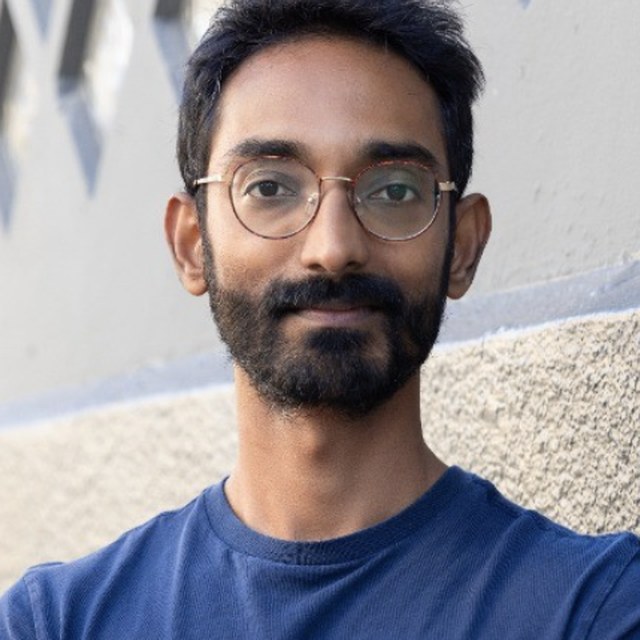
Prakash built Distyl AI to get Fortune 500 AI work into production instead of leaving it stuck in pilots.

Prakash built Together AI so GPU access and open models are as practical for builders as proprietary APIs have been for years.

Prot wants Weglot to be the translation layer any website can switch on, so a small online shop can sell in other languages without rebuilding its site.

Pushkarev built Provectus so production ML and GenAI on AWS is a system enterprises can run, not a slide deck.

Qi built Motion so calendars and task lists negotiate with each other and people stop manually Tetrising their week.

Racki is building Proposify so service businesses can write, send, and sign proposals in one place, and he speaks openly about what scaling up and cutting back taught him.
Raghavan is trying to make mission-critical AI refuse an answer when it cannot prove the rules still hold.
Ramdas is trying to shrink the years between a promising semiconductor material and something a fab will put on a line.
Ramineni built Fireflies.ai so every meeting leaves behind notes and decisions people can find later.

Raymond is focused on the unglamorous bottleneck before retrieval: turning messy enterprise files into model-ready data.

She is the Spark growth partner who led Anthropic's Series C, after growing up in Tehran and working on Snap's monetization.

Ream wants conversational AI agents to be designed and owned like products, not rented as black-box chatbots nobody can audit.
He is the Conviction partner who backed Instinct when it was still a small personal assistant, and he sits on its board.

Redekar wants continuous compliance monitoring to replace the once-a-year evidence scramble for growing security teams.

Reimer is testing whether a small, craft-focused software company can still win a crowded horizontal market like scheduling against much larger rivals.

Richelsen wants scheduling infrastructure to be open and self-hostable so teams are not stuck inside a closed booking silo.

Rometsch wants feature flags and remote config to stay open-source and self-hostable so teams are not trapped in a closed toggle silo.

Ross took the lessons from Google's first TPU into a company aimed at making language-model inference radically faster and cheaper.

Ross built FireHydrant so incident response stops living in spreadsheets and pager glue, and reliability becomes a shared operating craft.

Rusic built deepset so production NLP and retrieval rest on an open framework teams can own.

Schneider built Instantly so cold email can scale without deliverability collapsing as companies add more inboxes.

Sehwail wants product teams to show each user the right help at the right moment inside the app, without waiting on engineers to build every guide.

Seibert is trying to make startup accounting AI-native so books and financials stay current without a month-end archaeology project.

Sestito watched a malware-detection model get fooled at Cylance and built HiddenLayer so companies can spot attacks aimed at the machine learning models themselves.

Shah is betting that AI can take over the repetitive alert investigation that is burning out security analysts and that SOAR playbooks never fixed.

Sharma built Vellum so enterprises get one shared place for prompting, evals, and deployment instead of a pile of one-off notebooks.

Sharma built labeling software so computer-vision teams can train models without reinventing annotation infrastructure every time.

Sharma built HoneyHive so agent teams get the evaluation and OpenTelemetry observability loop traditional DevOps never had for multi-step LLM systems.

Sharma wants production agent teams alerted on loops, hallucinations, and tool misuse the moment they happen - not after users complain.

Sharma is trying to turn messy support and sales feedback into structured themes product teams can act on without reading every ticket.

Shinde wants startup finance ops to combine AI bookkeeping with human operators so founders are not forced to hire a full accounting team on day one.

Shmukler is bringing product-and-growth instincts from LinkedIn, Wealthfront, and Instacart to Anomalo's bet that AI can catch unknown data bugs before dashboards lie.

Shoham brings decades of academic AI and prior exits to AI21's bet that enterprises need controllable, domain-ready language systems.

Singh built Credo AI so enterprises can run governable AI — policy, inventory, and risk workflows on purpose.

Singh built Mem0 so AI agents get durable memory that lasts across sessions.

Sinha wants agent builders to see full decision paths and failure modes in minutes instead of drowning in logs.

He runs Crosspoint's early-stage cyber practice, and he is the partner who has spoken for the firm's bet on MIND.

Sivulka is building AI for the document-heavy work of finance and law, where answers have to cite the underlying files.

Slack wants every developer to search, understand, and eventually automate work across large messy codebases.

Sonwalkar built Julius so people can ask a spreadsheet a question in plain English and get a chart or a variance note back.

Staniszewski built ElevenLabs so synthetic voices sound close enough to people that creators use them without embarrassment.

Stefanovic wants public feedback boards to stay simple enough that a product team can launch one in an afternoon without buying a full suite.

Stephenson built Deepgram so speech recognition is a basic building block other products can rely on, the way they rely on cloud storage.

Tang wants incident response to live where teams already work in Slack, so outages stop becoming a dozen-tool scramble.

Tannor argues ML and LLM systems need continuous validation the way software needs tests.

Tian is trying to put agents inside the messaging apps people already open all day, so products stop dying in the app store.

Tricot wants data integration pipelines to become a commodity teams can extend, instead of a one-off project for every SaaS source.

Tuite is turning Roadie from hosted Backstage into a live map of services and owners that AI coding and operations agents can query before they act.

Upadhyay built Silmaril to stop prompt-injection attacks by judging whether an agent action is about to do harm, not by matching bad-looking prompts.

Valenzuela built Runway so generative video belongs in the same creative process editors use for films and ads.

Vasnetsov built Qdrant because existing vector libraries were not enough for production similarity search at scale.

Vassilev built Relevance AI so companies can run whole workforces of AI agents on ordinary business processes.

She wrote one of the earliest institutional checks into Groq, then left Khosla to run Axiom as a solo GP making the same early, contrarian AI bets.
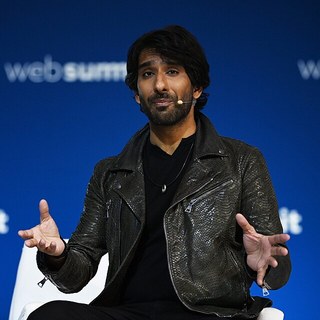
Vohra treats email as a product design problem: speed, keyboard craft, and now AI that keeps humans in control of the inbox.

Volozh is rebuilding an international AI cloud from the non-Russian remains of Yandex, staking Nebius on large-scale GPU infrastructure.

Wang built Scale around the idea that frontier AI is gated by high-quality data and evaluation, not just bigger models.

Wang built Exa so AI apps get a search API built for embeddings and agents.
Wang is trying to make the keyboard itself the agent surface, so mobile work stops detouring through yet another chat app.

Webster turned the testing he needed to ship Discord’s Clyde chatbot into Promptfoo, an open-source tool that lets developers attack their own AI apps and agents before release.

Weiss spent a decade pioneering AI code assistants for enterprises that need privacy and context, not just another autocomplete demo.

White built Fathom so every meeting leaves clear notes people open afterward.

Whitworth built incident.io so chaotic outages become a shared Slack-native craft on-call engineers can run without bolting six tools together.

Whyte is expanding forms into the full intake stack (payments, scheduling, workflows) so teams stop duct-taping five tools to one form.

Widawski wants product research to move as fast as shipping, so teams stop guessing after the prototype is already live.

Wigdahl built Speechmatics so speech recognition works across languages and noisy real-world audio as infrastructure others can call.

Wu built Retell AI so phone AI responds fast enough that a call still feels like talking to someone.

Wu is building AI analysts that investigate every security alert, after years of watching security teams drown in detections they had no time to work through.

Wu built Momentic so teams can write end-to-end tests in plain language and keep them current with agents.

Xie built Zilliz and open-sourced Milvus to make vector search a first-class database category for AI applications.

Xu built HeyGen so companies can turn a script into a talking-head video without booking a studio and a full crew.

Yildiz is pushing European-built alerting toward AI-assisted incident response without making teams rent a US-only stack.
Zakharov is trying to retire the week-long wait behind "book a demo," with an agent that can walk the product and qualify on the spot.

Zammit wants voice-agent teams to simulate real calls, score audio-native quality, and turn every failure into a repeatable test.

Zhang wants agent teams to catch silent semantic failures in live traffic and close the loop with prompt fixes that land as pull requests.

Zhang is building reinforcement-learning infrastructure so production agents can learn from outcomes instead of repeating the same mistakes forever.

Zhou built Lamini so enterprises can fine-tune and customize models on their own data under their own control.

Zoneraich built PromptLayer so prompt and agent workflows have a system non-engineers can own alongside developers.
No founders match that search.