
Home / Founders / Directory / AI SaaS tooling
AI SaaS Tooling Founders
Profiles of the 142 founders building AI software for business teams, from code review and testing to sales, support and finance, listed A–Z by last name.
142 founders

Abraham turned a weekend parsing demo into the document layer that finance and legal AI products rely on to read tables correctly.

Achchak is building Qevlar so security teams stop burning out on alert queues and start learning from every incident they close.

Agarwal built Portkey as a control plane so production LLM apps can route, govern spend, and observe traffic across providers.

Agrawal wants SaaS teams to ship in-product tours and nudges like a product surface, so features stop dying unread in release notes.

Allred built Lavender so outbound email can sound like one careful person writing to another, scored for clarity before it sends.

M13's managing partner is steering the firm into identity for AI agents, starting with the Baselayer Series A.

Anver wants engineers to stop losing nights to production fires, with an AI agent that investigates and fixes issues before the pager wakes them.

Aroomoogan is trying to put a firewall in front of what AI says, so regulated firms stop learning about violations after the message already sent.

Bayomi built Openlayer so AI evals feel as clear a developer workflow as shipping a web app.

Belcher is building mabl around an AI testing agent that learns each application over time, so quality checks can keep pace with faster software releases.
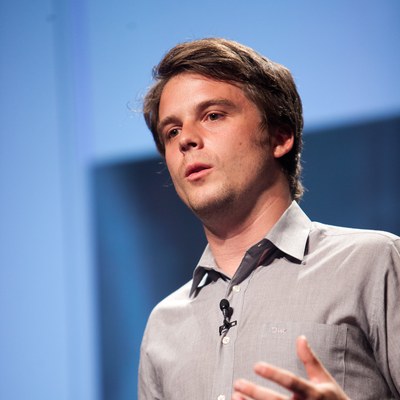
Biewald keeps building tools that make machine-learning experiment tracking and collaboration a shared habit on ML teams.

Braun is building Noma so security teams can see the data pipelines, models, and AI agents that data science teams ship outside the usual software checks.

Callaway built Sazabi so production teams can get answers from logs alone, with an AI agent that investigates instead of another dashboard wall.
Cannon is giving research teams interview depth at survey scale, so big decisions rest on hundreds of conversations instead of a handful.
Chandrayana is trying to turn infrastructure change itself into something an agent can score and gate before an outage lands.

Chou built Ploy so a company website can behave like a growth employee that keeps shipping pages, campaigns, and fixes while the team sleeps.

A former Symantec and Blue Coat CEO, he now steers Crosspoint's cyber thesis into AI-native security companies such as MIND.

Clifford left a Stanford linguistics PhD to build voices that sound like real people on real phone calls, and they now handle more than a million requests a day.

Crossa wants teams shipping complex agents to build LLM judges that improve from production mistakes instead of freezing brittle offline evals.

Dandamuraju wants production agents to get seconds-lived, least-privilege credentials with parameter-level checks instead of long-lived root keys.

Davidson is pushing customer success software toward flexible workspaces built on customer data, with AI suggesting the next step while people keep the relationship.

Dearsley built Vapi so voice-agent builders can assemble telephony, models, and monitoring as one platform.

Dhar is turning Uber-scale service sprawl into Cortex, an internal developer portal where ownership, scorecards, and delivery standards finally live in one place.

Dhinakaran built Arize so teams can see what their models do wrong after launch, not only in pre-production evals.

Dholakia built LiteLLM so teams can call every language model through one OpenAI-compatible interface.

Douetteau has spent a decade pushing the idea that enterprise AI should be a collaborative platform, not a pile of notebooks only data scientists can run.

Dral built Evidently AI so ML monitoring stays open, practical, and usable by working data scientists.

Einy is building Port so engineering orgs get a governed service catalog and self-service portal - the control plane AI coding agents need as much as humans do.

Elias is trying to make data answers checkable again, by wrapping weaker local models in a harness that refuses bad math.

Elsaid is testing whether an AI support company can win enterprise customers on its own revenue, with a small team and no outside investors.

Enam helped start Cresta to put real-time AI coaching beside contact-center agents, not only replace them with bots.

Fox built AssemblyAI as a living speech-to-text and audio-understanding platform that keeps improving instead of freezing as a fixed model.

Frayman, a serial founder, is building Cast AI to resize cloud infrastructure automatically as applications change, a job he says people cannot keep up with by hand.

Friedman argues AI coding tools should prove code integrity with tests, reviews, and agents that catch real defects.

Gade wants every company running AI in production to be able to answer the question his Facebook team struggled with: why did the model do that?

Gill built CodeRabbit to keep code review useful when AI helps developers write far more code than before.

Glasgow built Sprig so in-product surveys and AI research agents give PMs answers while the feature is still shipping.

After taking PubMatic public, Goel came back to build Bito around a problem AI coding creates: someone still has to review all the code that agents write.

Goyal is building the evaluation and observability layer AI product teams use to catch regressions before users do.

Granet built Bland AI so phone outreach and support can scale like software when AI agents handle the calls.

Grasso built Beautiful.ai so presentation software designs itself around the content people bring.

Grinberg left a string theory PhD to build Droids, coding agents aimed at the migrations and old codebases enterprise engineers dread.

Guduguntla wants sales reps to practice every hard call against an AI buyer first, so the real conversation is not their first try.

Gupta built Greptile so code review can see the whole codebase — including files that never changed in the pull request.

Haber built Lakera to treat prompt injection and model abuse as security problems with productized defenses, not one-off filters.

Herbert-Voss is building RunSybil so security teams can test their software with an AI hacker as fast as AI tools help their engineers write it.
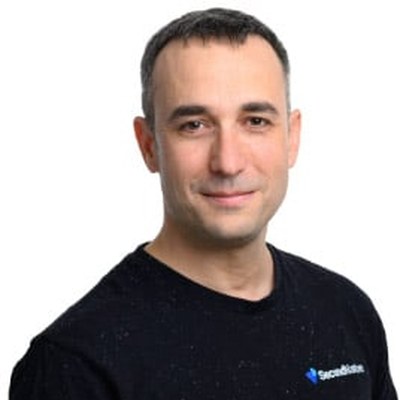
Hitron is trying to close the gap between the pitch marketing writes and what reps say on calls, by making practice with an AI partner a habit.

Huang built Clearscope so content teams can score and improve pages against what search engines already reward, without SEO folklore.

Hum is turning feedback boards into AI that reads sales and support conversations so product teams stop missing what customers already said.

Humphrey wants every product team to treat customer feedback as a searchable warehouse, not a pile of interviews nobody reopens.

Ip created DeepEval so engineers can test LLM apps the way they write unit tests, then built Confident AI so whole teams can run those tests together.

He built Radical as an AI-only firm in Toronto and was an early backer of Fei-Fei Li's World Labs.

Kannappan is building evaluation and guardrail tooling so teams can catch LLM failures before customers do.

Kim is building open-source observability for agents that run for tens of minutes, so teams can find the bad decision and rerun from that step instead of starting over.

Kircos is rebuilding the spreadsheet so analysts can write Python, SQL, and AI-generated code in the same grid their colleagues already know how to read.

Kliger is building Zenity to secure the AI agents and low-code apps that business users now build for themselves, outside any developer pipeline.

Kothadiya built Avoma so meeting value spans prep, the call itself, and the follow-up that comes after.

Kumaraswamy wants production agent teams to see silent reasoning failures across every customer conversation, then ship and prove the fix.

Laban is building OpsLevel so engineering orgs can see every service they run, who owns it, and whether it meets their standards, as coding agents ship more code than people can track.

Lam has spent three decades betting that engineering teams in Vietnam can build software products sold worldwide, and Katalon is his biggest test of that idea.

Lee is using LLMs to put bookkeeping context on autopilot for startups and accounting firms that still close the month in spreadsheet hell.

Lee built Shortwave so AI can live inside the open inbox people already use, instead of a closed replacement mail client.

Lehoux is showing that a small, self-funded team in Quebec City, Canada, can build a shared inbox thousands of companies pay for, without outside investors.

Li built Respan so teams shipping AI agents can see why those agents fail in production and fix behavior before users feel it.
Li is trying to give enterprise agents a place to practice on Salesforce-class systems without risking a customer org.

Malachi builds the AI agents that let Terra Security test a company’s applications for exploitable flaws as often as its engineers ship code.

Martens built Tally so beautiful forms stay free and simple enough that teams stop paying Typeform rents for basic intake.

McCabe pushed Intercom's Fin agent to the center of the company so customer experience can be won by AI that resolves work end to end.

McCardel wants data scientists and analysts to share one collaborative workspace instead of scattering work across notebooks and slides.

McNicoll wants every release to answer a question against your own warehouse data, not a vendor's black-box metrics.

McPherson is trying to make online forms feel designed and productized so teams stop shipping ugly surveys that still need a second tool for payments.

Mee is going after the mainframe problem he could not crack at Pivotal, using AI to rewrite old systems one tested slice at a time.

Mehmood is trying to give coding agents a real cloud home that is isolated, multi-model, and checked, so teams stop bolting them onto one lab's IDE.

Mendels built Comet so ML and LLM teams get experiment tracking and evals in one place.

De Moor is building XBOW so companies can run pentests as often as they ship code, with an AI that proves every bug it finds.
Motwani is trying to bring the session-taste intelligence behind music recommendations into stores where most shoppers never log in.

Mrkšić builds voice agents that can handle messy, multi-intent phone conversations for real customer-service teams.

Murchison built Ada so support ends when the person's question is answered, not when a ticket is filed.

Nicholas started Forethought to make customer support feel invisible — AI that resolves work in the background so agents handle what matters.

Nucci wants company knowledge to find people in the tools they already use, instead of dying in a wiki nobody opens.

Peled is building Terra Security so companies can pentest after every change, with AI agents doing the testing and human experts signing off.

Peterson wants engineers to treat cloud cost as part of the code they write, so a company knows what each feature and customer costs before the bill arrives.

Pinchevski is building Finaloop so ecommerce founders get real-time books and inventory numbers without living inside QuickBooks spreadsheets.

Prot wants Weglot to be the translation layer any website can switch on, so a small online shop can sell in other languages without rebuilding its site.

Puri is building Yoodli so salespeople, partners, and job seekers can rehearse hard conversations with an AI before they have them with a person.

Qi built Motion so calendars and task lists negotiate with each other and people stop manually Tetrising their week.

Racki is building Proposify so service businesses can write, send, and sign proposals in one place, and he speaks openly about what scaling up and cutting back taught him.

Ramineni built Fireflies.ai so every meeting leaves behind notes and decisions people can find later.

Ream wants conversational AI agents to be designed and owned like products, not rented as black-box chatbots nobody can audit.

Reimer is testing whether a small, craft-focused software company can still win a crowded horizontal market like scheduling against much larger rivals.

Richelsen wants scheduling infrastructure to be open and self-hostable so teams are not stuck inside a closed booking silo.

Rometsch wants feature flags and remote config to stay open-source and self-hostable so teams are not trapped in a closed toggle silo.

Ross built FireHydrant so incident response stops living in spreadsheets and pager glue, and reliability becomes a shared operating craft.

Rostampor wants Planhat to run the whole relationship after a sale, from retention and renewals to expansion, so revenue teams work from one record of each customer.

Sanglé-Ferrière is building cubic so code review keeps up with the volume of code that AI tools now write.

Schneider is turning automated refactoring, an idea he started at Netflix, into the way large companies keep billions of lines of code current.

Schneider built Instantly so cold email can scale without deliverability collapsing as companies add more inboxes.

Sehwail wants product teams to show each user the right help at the right moment inside the app, without waiting on engineers to build every guide.

Seibert is trying to make startup accounting AI-native so books and financials stay current without a month-end archaeology project.

Sestito watched a malware-detection model get fooled at Cylance and built HiddenLayer so companies can spot attacks aimed at the machine learning models themselves.

Shah is betting that AI can take over the repetitive alert investigation that is burning out security analysts and that SOAR playbooks never fixed.

Shankar is building Responsive on the view that a company’s answers to buyers go stale fast, so AI drafting only works when people keep the underlying knowledge current.

Sharma built Vellum so enterprises get one shared place for prompting, evals, and deployment instead of a pile of one-off notebooks.

Sharma built HoneyHive so agent teams get the evaluation and OpenTelemetry observability loop traditional DevOps never had for multi-step LLM systems.

Sharma wants production agent teams alerted on loops, hallucinations, and tool misuse the moment they happen - not after users complain.

Sharma is trying to turn messy support and sales feedback into structured themes product teams can act on without reading every ticket.

Shinde wants startup finance ops to combine AI bookkeeping with human operators so founders are not forced to hire a full accounting team on day one.

Sinha wants agent builders to see full decision paths and failure modes in minutes instead of drowning in logs.

He runs Crosspoint's early-stage cyber practice, and he is the partner who has spoken for the firm's bet on MIND.

Sivulka is building AI for the document-heavy work of finance and law, where answers have to cite the underlying files.

Slack wants every developer to search, understand, and eventually automate work across large messy codebases.

Sonwalkar built Julius so people can ask a spreadsheet a question in plain English and get a chart or a variance note back.

Staniszewski built ElevenLabs so synthetic voices sound close enough to people that creators use them without embarrassment.

Stefanovic wants public feedback boards to stay simple enough that a product team can launch one in an afternoon without buying a full suite.
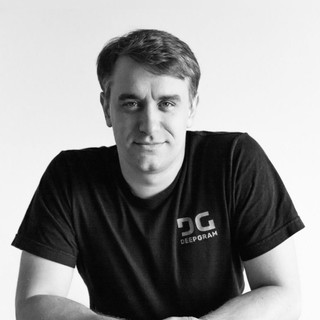
Stephenson built Deepgram so speech recognition is a basic building block other products can rely on, the way they rely on cloud storage.

Østhus is trying to make FeatureOps the control plane for AI-era releases so teams can ship and kill changes without redeploying.

Tang wants incident response to live where teams already work in Slack, so outages stop becoming a dozen-tool scramble.

Tannor argues ML and LLM systems need continuous validation the way software needs tests.

Tevet is building Intezer so security teams can have every alert investigated, down to the code behind it, without adding analysts.

Truong is making bank data migrations something business analysts can run, and making the logic buried in mainframe code explainable.

Tuite is turning Roadie from hosted Backstage into a live map of services and owners that AI coding and operations agents can query before they act.

Upadhyay built Silmaril to stop prompt-injection attacks by judging whether an agent action is about to do harm, not by matching bad-looking prompts.

Valenzuela built Runway so generative video belongs in the same creative process editors use for films and ads.
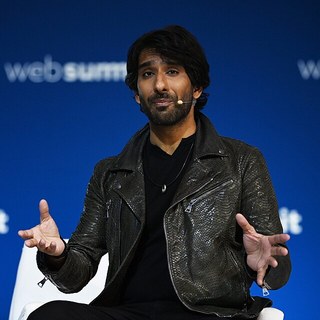
Vohra treats email as a product design problem: speed, keyboard craft, and now AI that keeps humans in control of the inbox.

Webster turned the testing he needed to ship Discord’s Clyde chatbot into Promptfoo, an open-source tool that lets developers attack their own AI apps and agents before release.

Weiss spent a decade pioneering AI code assistants for enterprises that need privacy and context, not just another autocomplete demo.

White built Fathom so every meeting leaves clear notes people open afterward.

Whitworth built incident.io so chaotic outages become a shared Slack-native craft on-call engineers can run without bolting six tools together.

Whyte is expanding forms into the full intake stack (payments, scheduling, workflows) so teams stop duct-taping five tools to one form.

Widawski wants product research to move as fast as shipping, so teams stop guessing after the prototype is already live.

Wigdahl built Speechmatics so speech recognition works across languages and noisy real-world audio as infrastructure others can call.

Williams is applying generative AI to one narrow job, writing bids and proposals, where a customer either wins the contract or does not.

Wu built Retell AI so phone AI responds fast enough that a call still feels like talking to someone.

Wu is building AI analysts that investigate every security alert, after years of watching security teams drown in detections they had no time to work through.

Wu built Momentic so teams can write end-to-end tests in plain language and keep them current with agents.

Xu built HeyGen so companies can turn a script into a talking-head video without booking a studio and a full crew.

Yildiz is pushing European-built alerting toward AI-assisted incident response without making teams rent a US-only stack.
Zakharov is trying to retire the week-long wait behind "book a demo," with an agent that can walk the product and qualify on the spot.

Zammit wants voice-agent teams to simulate real calls, score audio-native quality, and turn every failure into a repeatable test.
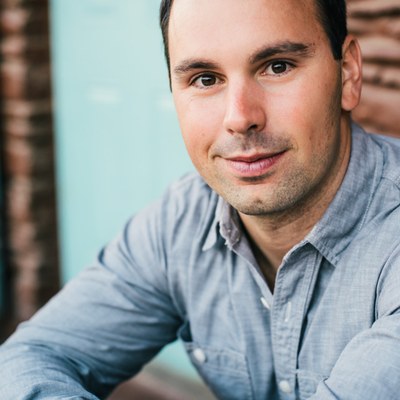
Zandan is building Quantified so pharma and medical device reps can practice conversations with AI doctors and stay on label before they meet real ones.

Zhang wants agent teams to catch silent semantic failures in live traffic and close the loop with prompt fixes that land as pull requests.

Zoneraich built PromptLayer so prompt and agent workflows have a system non-engineers can own alongside developers.
No founders match that search.