
Home / Founders / Directory / Agents & orchestration
Agents & Orchestration Founders
Profiles of the 32 founders building AI agents, agent frameworks and the workflow tools that run them, listed A–Z by last name.
32 founders
Bhagwat is trying to make TypeScript the default place developers ship agents, with the same docs seriousness the Gatsby team brought to the web.
Bharadwaj is building Dodge AI so agents do most of the upkeep on systems like SAP, work that companies now staff with large consulting teams.

Bryk is building Exa to be the search engine AI agents use, ranking the web by meaning so an agent gets the right pages from one plain-language query.

Chase built LangChain so building software with language models feels as ordinary as building with any other library.

Cherkasov wants agents to inherit a company knowledge graph so ops teams can route work between people and AI without rebuilding context every time.

Ding wants B2B teams to ship customer integrations through one unified API instead of burning engineers on each vendor connector.

Fateev built Temporal so long business processes in software survive crashes and retries the way a careful person picks up where they left off.

Garcia is building the low-level systems that let Kernel start cloud browsers for AI agents in milliseconds and keep them parked cheaply for days.

Holdstock-Brown built Inngest so product engineers can ship reliable AI workflows as ordinary code, without babysitting queues.

Hubert argues companies should run AI agents on their own private data and tools, under their own access rules.

Jue is building Kernel so AI agents can open a real browser in milliseconds and work on the large share of the web that has no API.

Klein is building Browserbase so AI agents can use websites the way people do, on cloud browsers that developers do not have to run themselves.
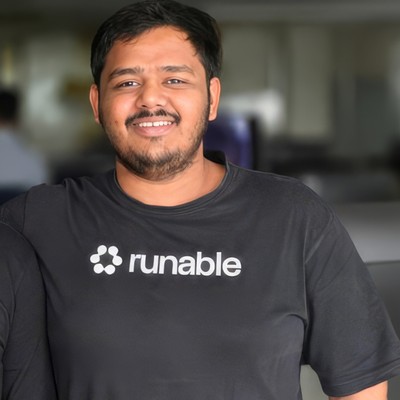
Kumar is trying to give a two-person business the operating leverage of a much larger team, from first site to paying customers.

Liu built LlamaIndex so language models can answer questions from a company's own private files, not only the public web.

Lowin builds orchestration for data and AI workflows that fail in production when someone's cron job silently stops.

An Elevation AI partner who looks for enterprise agents with paying customers, as he did when he led Dextr's first institutional round.

Mizrahi is building Linkup to give AI products accurate, cheap web search, with an eye on paying the publishers whose content agents read.

Moura built CrewAI so AI work can run as teams of agents with clear roles, not one giant agent acting alone.

Oberhauser built n8n so anyone can wire tools and AI steps into open workflows they host and change themselves.
Pawar is trying to make warehouse robots and human crews share one work brain, so mixed floors stop running as disconnected fleets.

Peffer bet his company on Firecrawl because every AI team needs clean web data and kept rebuilding the same broken scrapers.

Pelaseyed built Superagent so teams can own an open agent stack end to end.

Pithadia is building Valyu so AI agents in finance and science can search filings, papers, and trial data as easily as the open web, with sources attached.
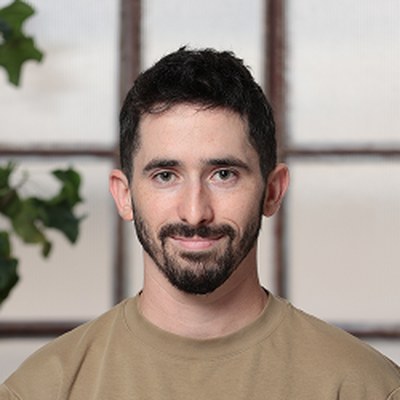
Raman is building Anchor so AI agents can finish the last step of enterprise work on old portals and logged-in websites that were never built for software to use.
He is the Conviction partner who backed Instinct when it was still a small personal assistant, and he sits on its board.

Rusic built deepset so production NLP and retrieval rest on an open framework teams can own.

Singh is building Skyvern so companies can automate form filling and portal work across hundreds of websites that were never built for software.

Singh built Mem0 so AI agents get durable memory that lasts across sessions.

Tian is trying to put agents inside the messaging apps people already open all day, so products stop dying in the app store.

Vassilev built Relevance AI so companies can run whole workforces of AI agents on ordinary business processes.

Waldron wants large companies to connect their business software and AI agents through one integration platform, so an automation can span many systems without custom code for each.

Zhang is building reinforcement-learning infrastructure so production agents can learn from outcomes instead of repeating the same mistakes forever.
No founders match that search.